
Heavy Metal Magazine and Its Lasting Skate Influence
Before anyone ever called skateboards art or subculture fashion, Heavy Metal Magazine was out here showing that a rebellion could be illustrated. When I was a kid, I spent almost all my time in skate shops, skate parks, and comic book stores. When we weren’t at the park, we were at punk shows. Sometimes we threw our own in public parks or begged our friends’ parents to let us take over their garages or houses for house shows. My 15th Birthday was still one of the craziest that we threw at my house. We dreamt of what escapes from suburbia could mean, the fantastical worlds we were exploring on the pages we were reading, and then we’d skate off to the park or hit the mall to check out the latest fashions. I’d work all summer as a little league umpire, until I was old enough to actually work, just to pay off my skate park membership and get whatever gear I needed for the year. Decades later, I’d find myself working with Heavy Metal Magazine the very brand that unknowingly shaped my childhood obsessions.

In between all of that I’d draw my own art as much as possible. A bulk of that was spent emulating or trying to draw what I saw in the pages of comic books, skateboard decks, or from the characters I loved in animated movies. I dreamed of being an animator early on but ended up falling so much more in love singular images and painting. During the summer between fifth and sixth grade, I also learned about what action sports were! The introduction was from friends who started skating, and I saw what they were up to, and it just looked so cool. We all started early on with the cheap boards from the 80’s with the plastic rails, whale tails, and neon graphics that were more bold colors and logo’s than all being substantial pieces of art. But as we grew, so did our taste for better graphics. The gear got epic. Nash and Variflex boards moved out of the way to Birdhouse, Girl, Blind, and Hook-Ups.

The best skate shop was in the mall in Plano called Fast Forward. This was the place before we had our big skate park built in 1997 from an old antiques warehouse. There you could meet up with your friends try on all the clothes you couldn’t afford (or waste the cooler older kids time). Then Airwalks, DC’s, JNCO jeans, chain wallets and similar accessories were so cool. You’d have to grab a clerk and ask them to bring down from their massive wall of skate decks that were like portals to other worlds to hold in your hands and marvel at this piece of stunning artwork. Skateboarding in the mid to late ’90s were a golden age where it was seemingly everywhere. Even Target was carrying Pig and Hook-Ups folders back then. I weirdly still have mine as they hold photographs, notes from school, and just fun trinkets that just bring up fond memories. That was the moment for a lot of us that art from comics, anime, and underground magazines started to bleed into the stuff we used every day our decks, our clothes, and bleed out onto our walls. It wasn’t just the designs, it was a large part of our identity. Also as a part of the DIY ethos of Punk Rock, we’d also end up making our own fashions as well. Adorning jackets with hand painted patches, studs, buttons and more. These Battle Vests came from thrifted garments that we’d end up decorating them with Punk Bands, Slogans, or just rad drawings we loved.


Punk Rock was more than an identity to me as a teenager. It was a lifestyle that I crammed into every aspect of my existence. I know that I came late to the scene given I was born in the 80’s. That did not stop me from putting into every fiber of my being. If I had the ability to, I’d try to wear a stud belt for every occasion. Still do, really.
A lot of fans love to remind me at every trade show, without fail, that I wasn’t even alive when Heavy Metal Magazine first dropped in the late ’70s. And they’re right. I didn’t stumble onto it’s pages until much later. But what I didn’t realize as a young art kid was that all the wild imagery I obsessed with came from its pages. like the grotesque, the hyper-detailed, the surreal trippy art that you’d find in the backrooms of head shops, all had roots in something older, darker, and way more fucking rad than I could imagine.

The feature film, the magazine, the culture that surrounded it all of it traced back to that same source. It wasn’t just a magazine, but the blueprint for everything that would shape my taste in art, design and more.
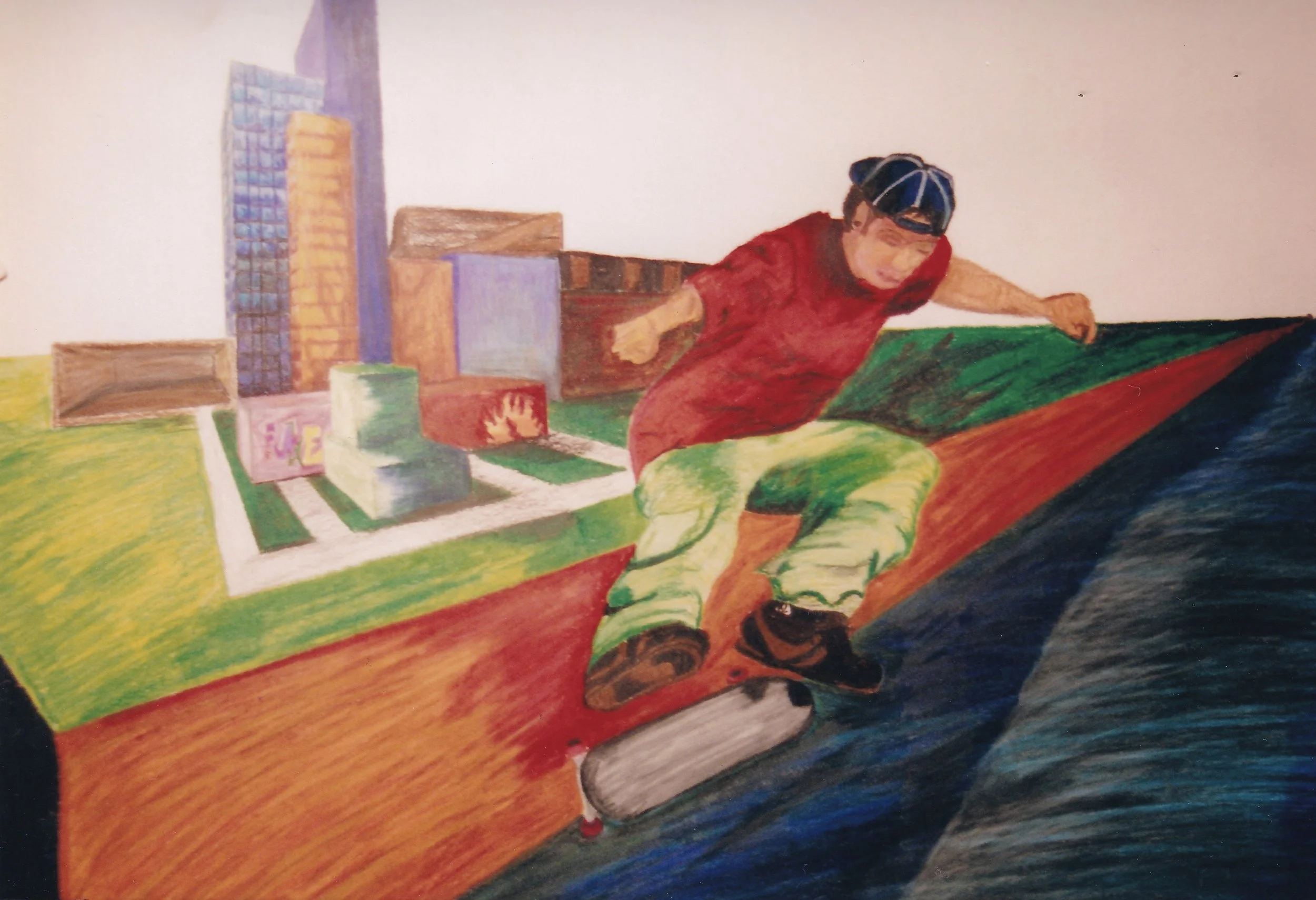
Hailing originally from the French magazine Métal Hurlant in 1975, Heavy Metal quickly became the space where sci-fi met up with surrealist movements. Where artists could draw more of what they wanted at the time outside the comics code like sex, death, fantasy worlds of beasts, and the cosmic in one spot. When it came to the U.S. in 1977, it became more than just a magazine, much like the wall of skateboards, it became this sort of portal into the collective unconscious and steering counterculture. It was a home to artists like Moebius, Druillet, Giger, and Corben and those that I’ve spoken about before from the pages of Mad Magazine, and E.C. Comics. They were given a solid home and the ability to express topics and themes beyond most peoples wildest dreams. These names that changed the landscape of visual storytelling forever. It was raw, rebellious, and brilliantly drawn with imagination. It was punk while punk was being figured out.
Heavy Metal was coming up alongside the punk movement, but their energy was quite alike. Punk took anarchic themes and chaos to the stage while Heavy Metal laid it down on the page. Both movements thrived on DIY ethics, anti-establishment voices, and shock as art. All of us were influenced heavily by the ethos in skating and in music. As Dick Hebdige wrote in ‘Subculture the Meaning of Style’, subcultures turned style into rebellion in that the way you dressed or what you rode wasn’t just fashion, it was a middle finger to the mainstream. And boy do we love a middle finger!

Fashion, punk, and the art world cross-pollinated fast. Artists like Raymond Pettibon, Pushead, and Winston Smith took comic surrealism and melded it with punk iconography. They created their own visual language that was fun, raw, and in your face. Brands like Zero, Toy Machine, Birdhouse, Santa Cruz, and Hook-Ups carried that torch while borrowing from the chaotic collage of punk album covers and the lurid, cinematic style of Heavy Metal’s panels. It was all part of the same visual rebellion.
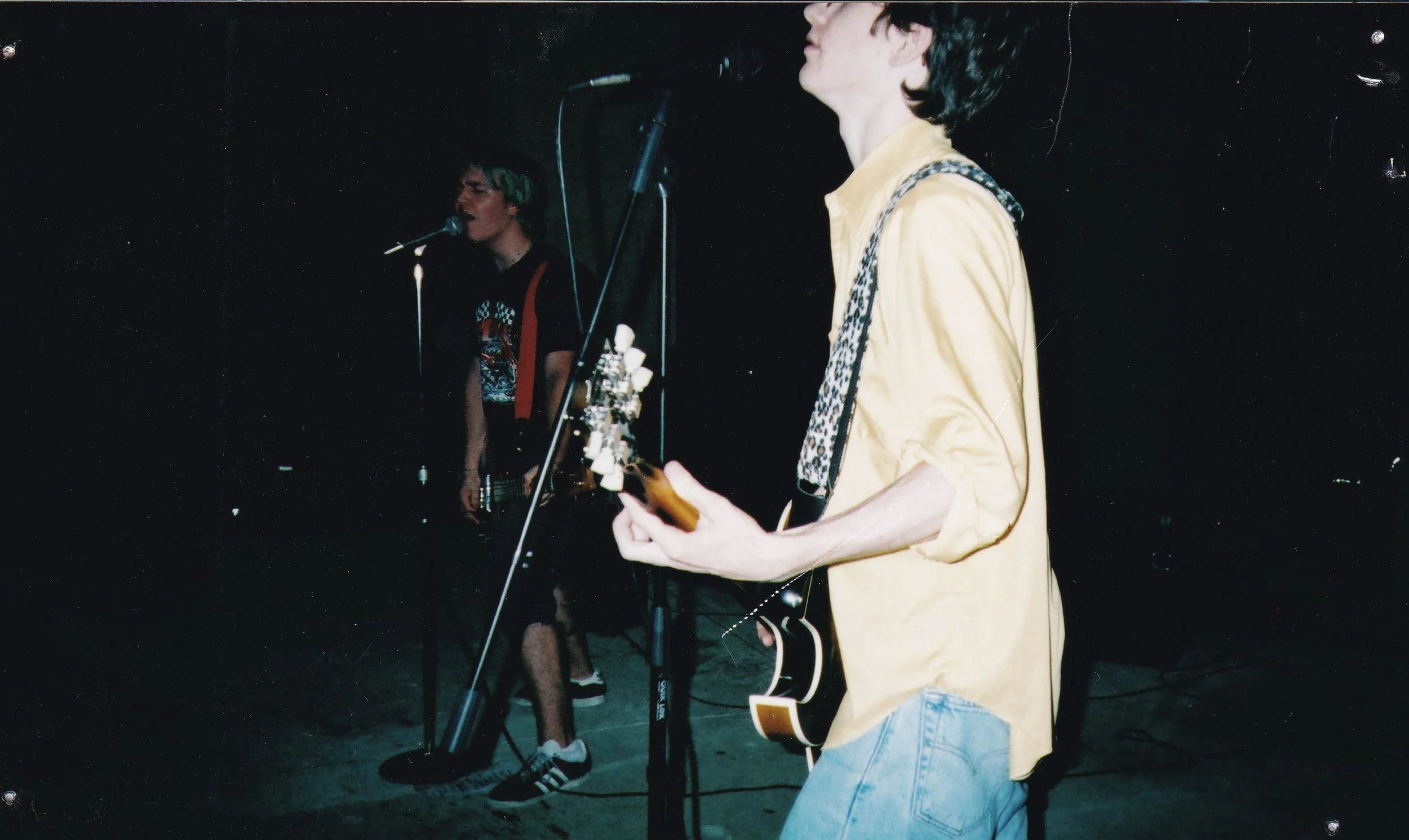

By the late ’80s and early ’90s, that nuclear waste had mutated into a full blown movement. Skateboard art took pulpy scenes to wood with sci-fi, horror, fantasy, eroticism, humor, and raw graphic power. Artists like Jim Phillips (Santa Cruz), Sean Cliver (Powell Peralta, World Industries), and Marc McKee (Hook-Ups) all carried the Heavy Metal DNA. It’s a graphic designers DREAM to see their work on skate decks. I even began painting skateboards as one of my chosen substrates after college. I still paint them currently and some of the imagery stays prevalent in my paintings.
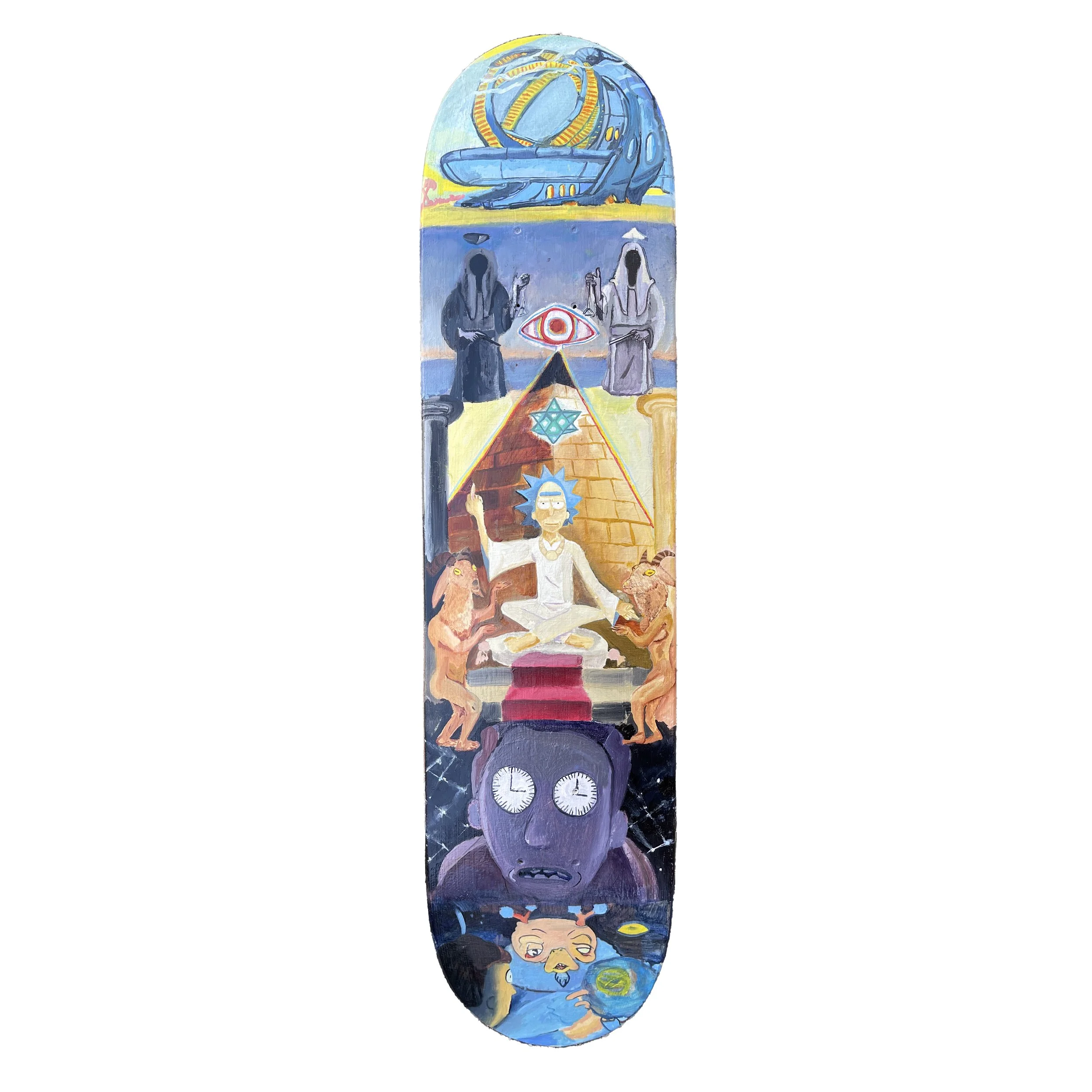
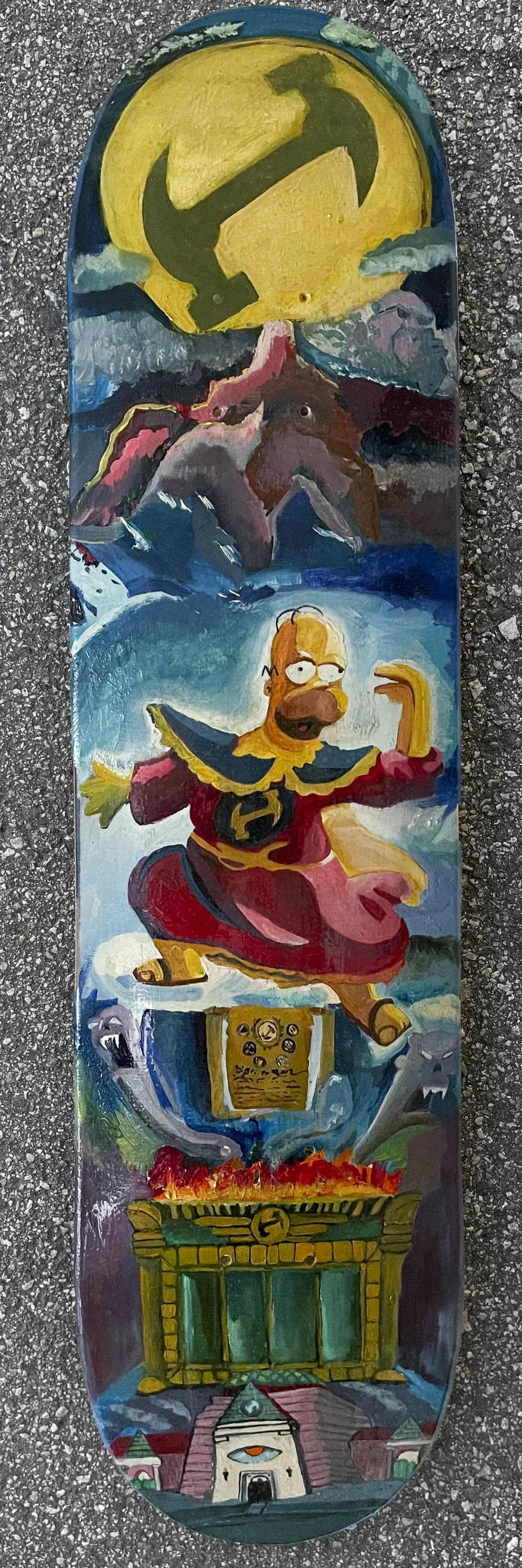
When Heavy Metal hit theaters in 1981, an R-rated animated anthology of stories, it felt like vindication of everything underground culture had been building toward. It took the weirdest, wildest stories and threw them onto the big screen with a soundtrack featuring Black Sabbath, Sammy Hagar, and Blue Öyster Cult. It was fun, erotic, violent, and visually unhinged exactly how rebellion should look and sound. The animation wasn’t perfect, but that wasn’t the point. It was handmade, human, defiant and bad ass.
And that legacy never really left. Today, the DNA of Heavy Metal is everywhere. I’ve been working with the team at Heavy Metal off any on for the last ten years. And now we’re spreading the word more and more. Now with limited-edition drops, streetwear collabs, and more. Every zine owes something to that original collision. Heavy Metal proved that illustration could be cinematic, clever, and didn’t need a gallery to be powerful. It could live in motion, on fabric, on wood, on skin.
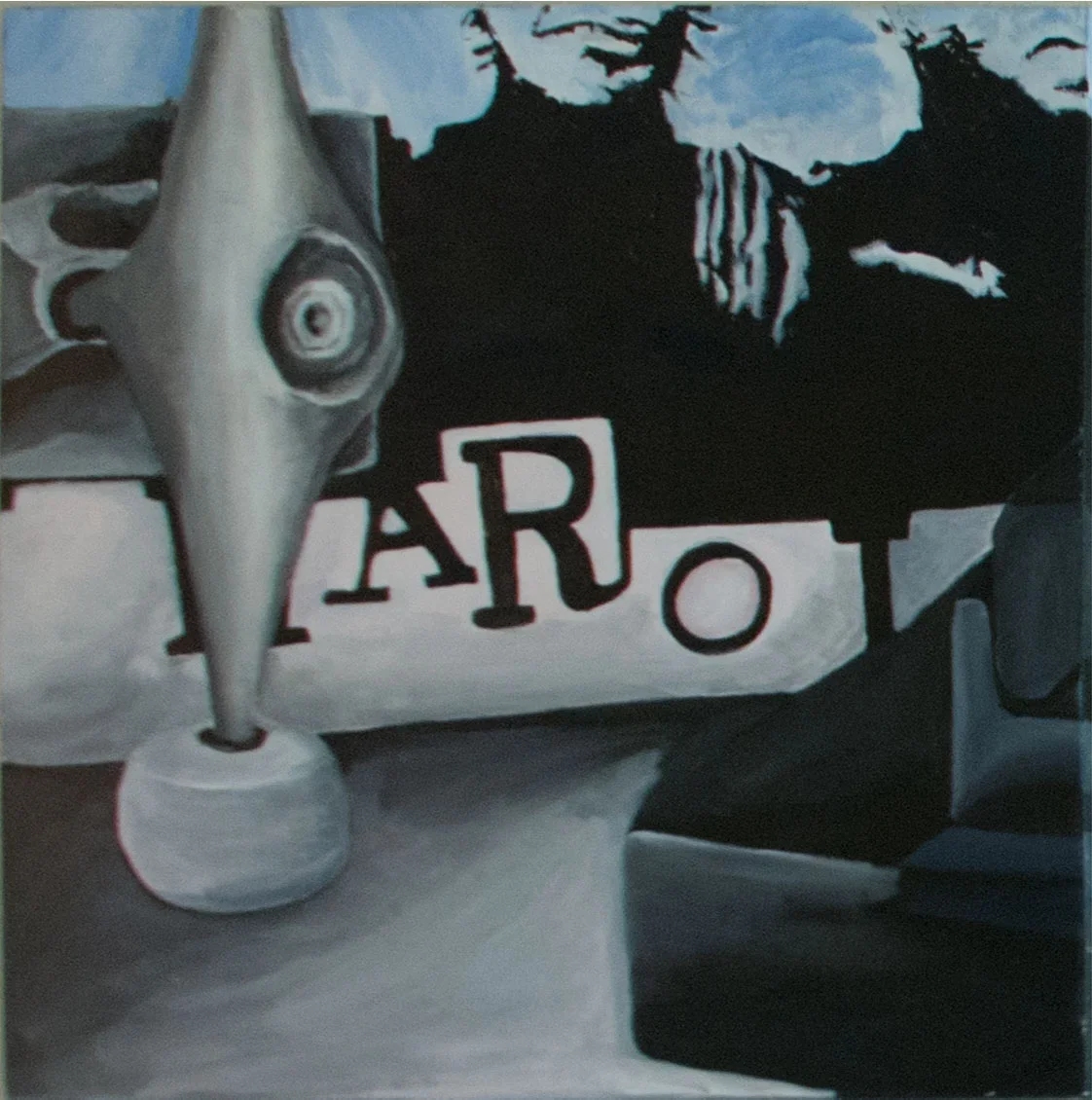
When I look back at that wall of decks in Fast Forward, I realize I wasn’t just picking graphics, it was like choosing your armor in a video game and which version you wanted to be.